Blog home / Hiking in Bulgaria's Rila Mountains
Hiking in Bulgaria's Rila Mountains
UTracks Sales Manager Allie has hiked through the Dolomites, Mont Blanc, Gran Paradiso, the Peaks of the Balkans and more. This time, she headed somewhere still well off most active travellers' radars:
Bulgaria's Rila and Pirin Mountains. Here's what she found.
Where are the Rila and Pirin Mountains?
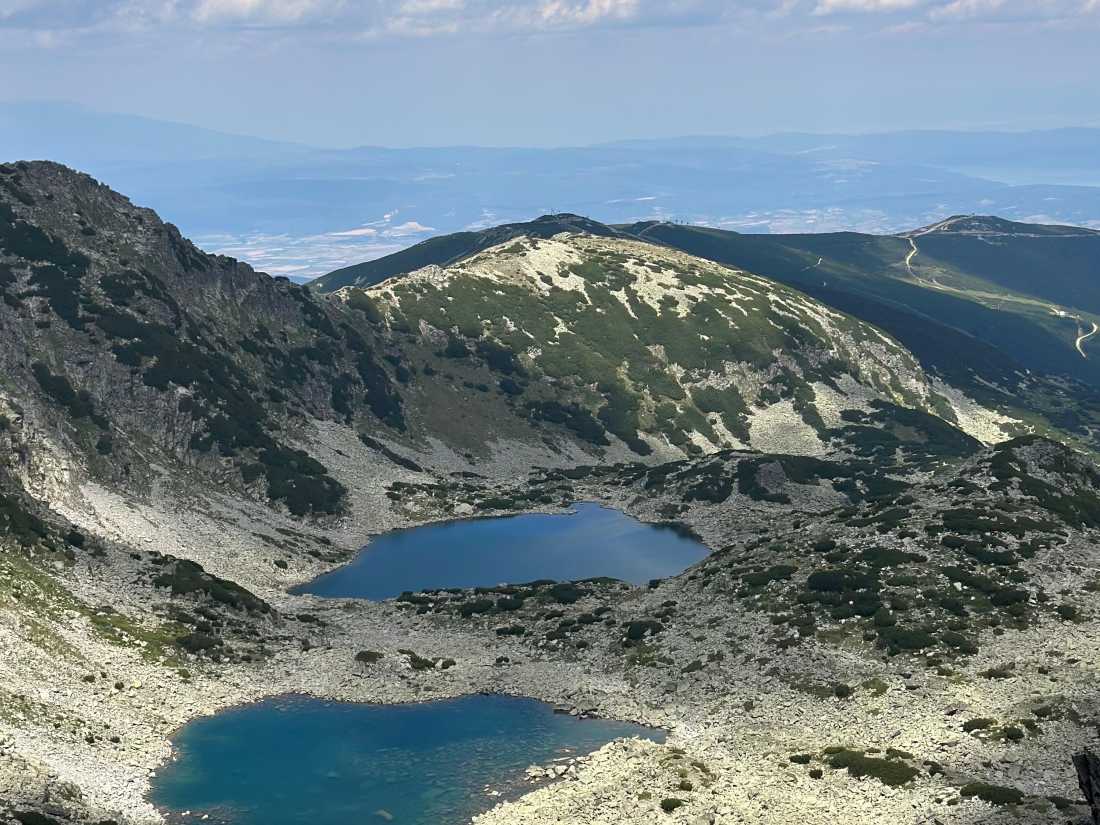
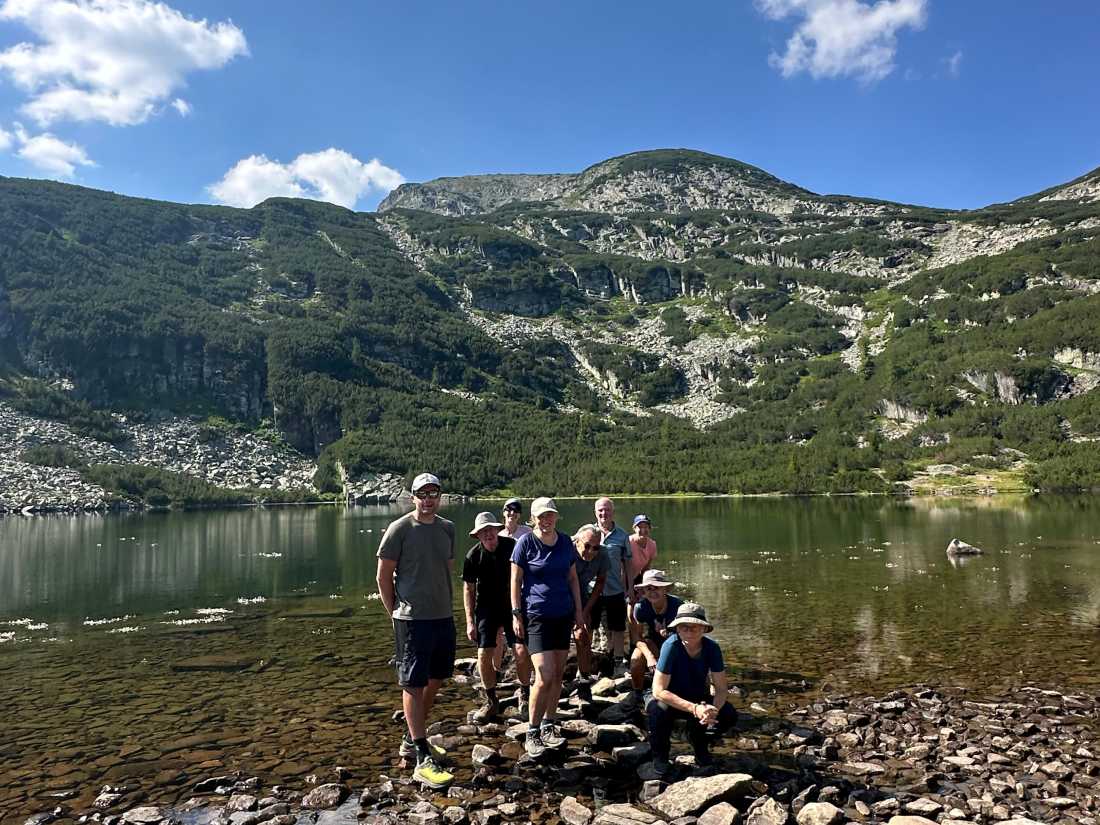
Our trip began in Sofia, Bulgaria's compact and very walkable capital. From there, we headed south into the Rila Mountains, home to Mount Musala, the highest peak in the Balkans, and the spectacular Seven Rila Lakes. Later in the week, we crossed into the Pirin Mountains, a rugged range of granite peaks, glacial lakes and high alpine huts.
The trip also takes in the Rila Monastery, one of Bulgaria's most important cultural sites, and finishes in Bansko, a charming alpine town that locals describe as Bulgaria's answer to Chamonix.
Why I Chose Bulgaria
After several alpine trips through Western Europe, I was ready for something a little less travelled. Bulgaria had been on my radar for a while, partly for the mountains and partly out of curiosity, and the timing finally lined up.
I'd heard the trails were quieter, the food was good, and the scenery genuinely rivalled the Alps. All of that turned out to be true, and the trip surprised me in plenty of other ways too.
How I Prepared
Having hiked in the Alps and the Balkans before, I knew the kind of fitness this trip would ask for. Bulgaria's mountains are no gentler than the Alps, and a couple of the days are genuinely demanding.
I focused on cardio and uphill stamina in the lead-up, with regular sessions on the step machine and weekend hikes with a weighted day pack. One thing worth flagging: the trip includes one night in a mountain hut at altitude, with shared dorms, no showers and limited common space. It's only one night, but it's worth being mentally prepared for it.
Accommodation in Bulgaria
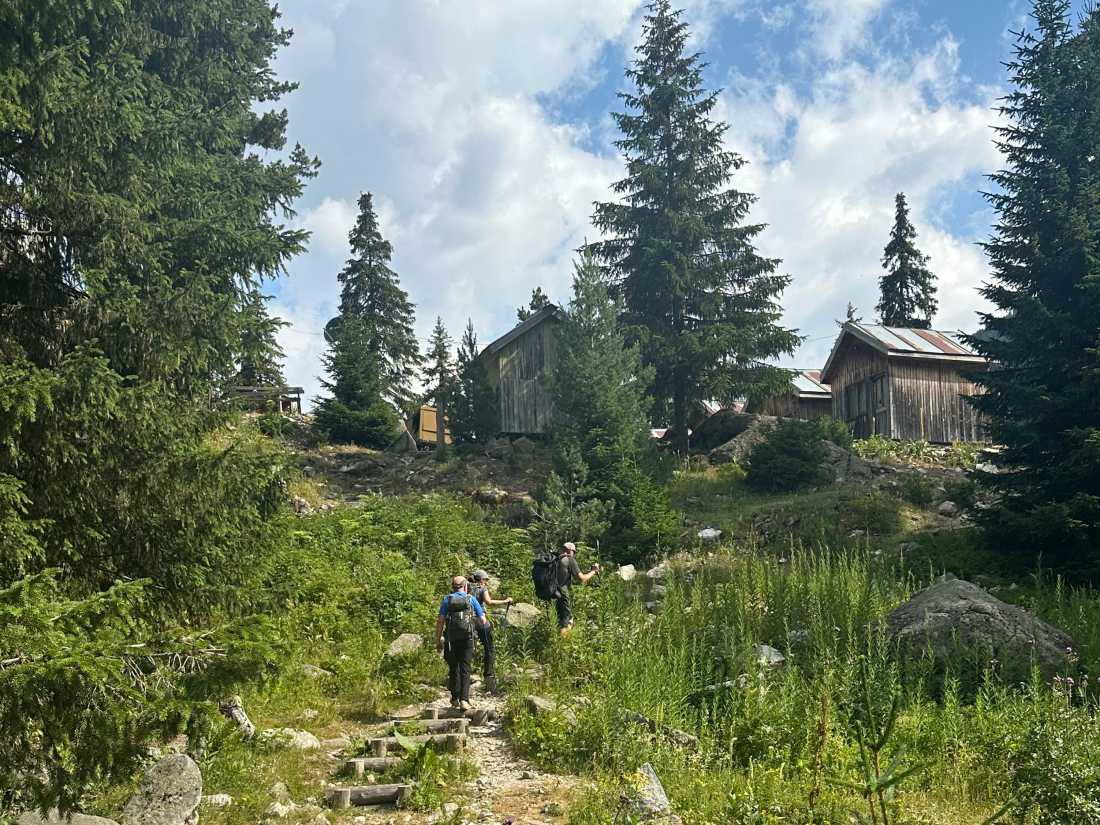
Accommodation is a mix of comfortable family-run guesthouses and one night in a basic mountain hut. The guesthouses were warm and welcoming, with hearty home-cooked dinners and balconies looking onto the mountains.
The standout for me was Bansko. We stayed two nights at a lovely hotel in the centre of town, which gave us a chance to enjoy the village, the spa culture and a proper rest day in the middle of the trip. Tevno Ezero hut, by contrast, is genuinely basic, but the remote location and the after-dinner stillness were a highlight in their own way.
What the Scenery is Like
The best word I can use is varied.
One day, you're climbing to the Balkans' highest peak surrounded by snow-capped ridges. The next, you're walking past glacial lakes through quiet valleys with barely another hiker in sight. The Seven Rila Lakes are a genuine highlight, a chain of lakes set into a high alpine bowl, and the descent into forested valleys on the final day was unexpectedly beautiful.
The Rila Monastery deserves a special mention. Tucked into a forested gorge, painted in vivid frescoes and surrounded by mountains, it's one of the most striking buildings I've ever stood in front of.
Food and Drink
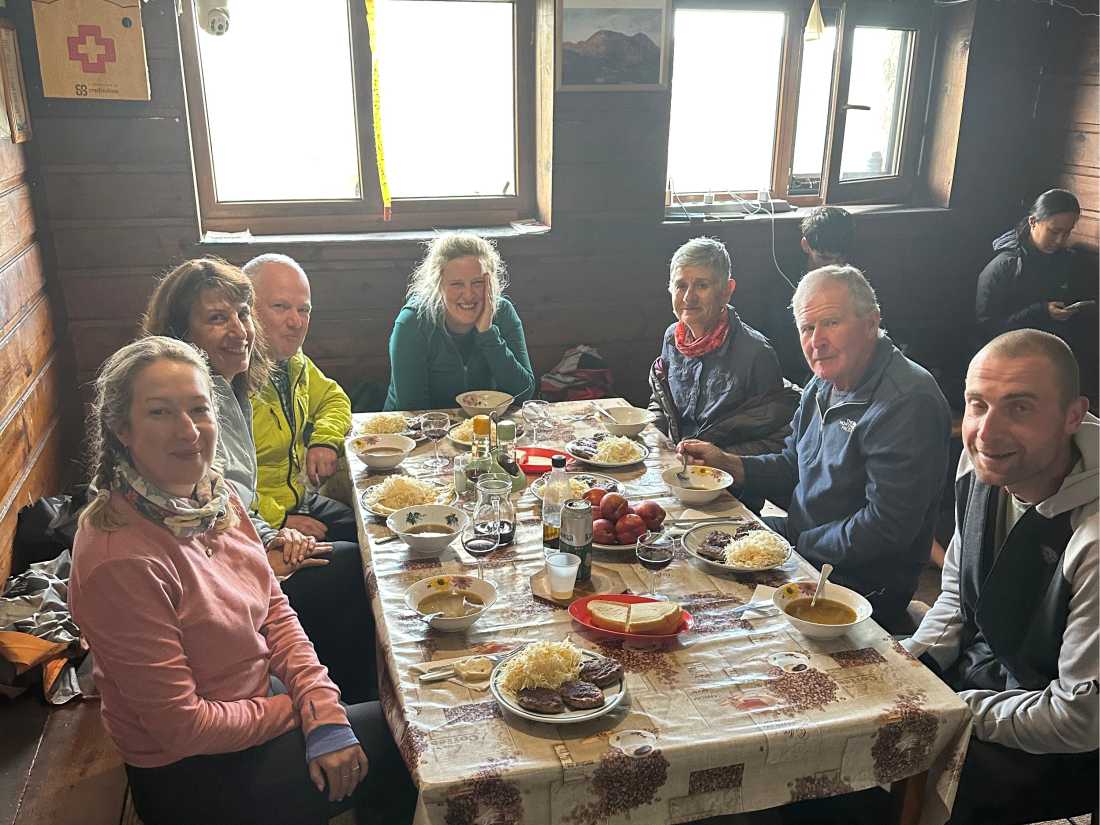
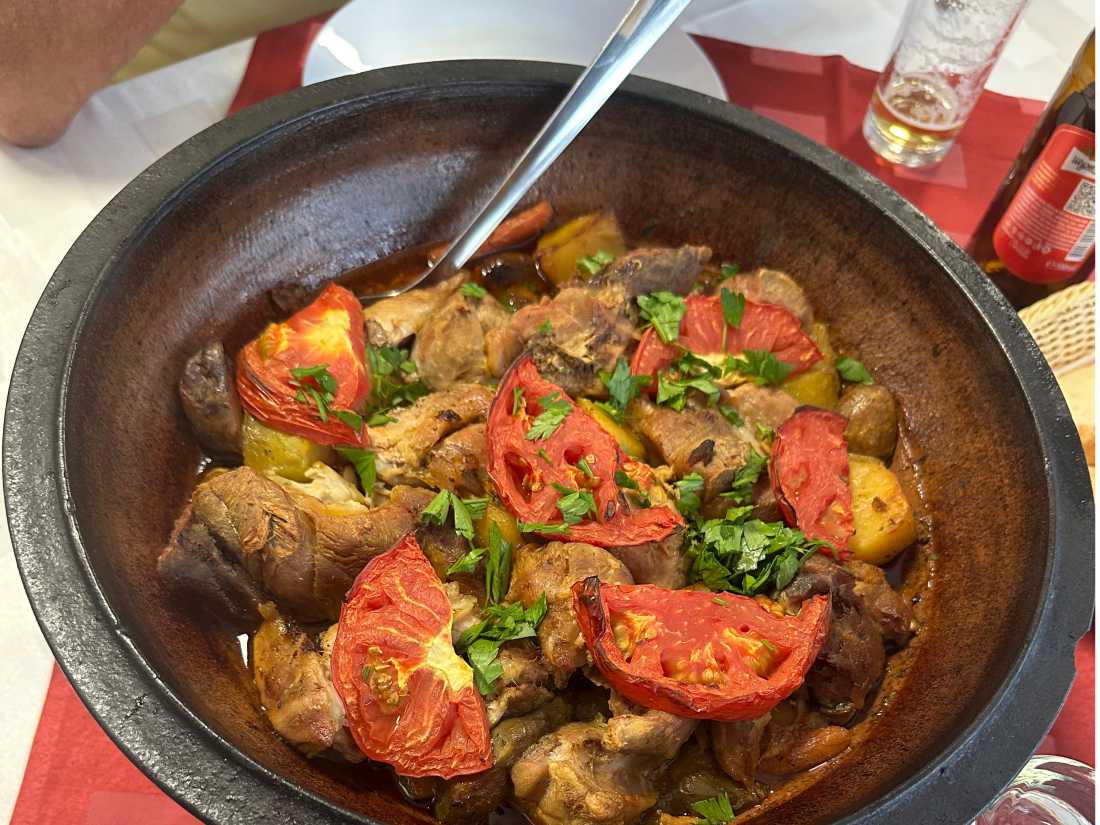
Bulgarian mountain food is hearty, simple and genuinely good. Most evenings started with a soup, often a local bean soup that became a running joke by the end of the week, followed by something like moussaka, pork with potatoes, or a vegetable tagine. Dessert was usually cake or fresh watermelon.
The Shopska salad, Bulgaria's take on a Greek salad with crumbled white cheese, became a daily ritual. Lunches were picnic-style, with the group stopping at a local grocery store to put together what we wanted each day.
How Challenging is the Trail?
I'd put this trip at the higher end of moderate to challenging. The summit day on Mount Musala is a long climb at altitude, and the day across the central Pirin into the mountain hut is genuinely tough, with technical boulder sections and a sustained ascent.
The descents are the part most people underestimate. Bulgaria's mountain trails are often rocky and uneven, and steady footing makes a real difference, especially on the longer downhill stretches. Hiking poles are well worth bringing.
That said, the daily distances are not extreme, and the rest day in Bansko is well placed. If you're comfortable in alpine terrain and have the fitness to match, you'll be in your element.
What Made This Trip Special
What surprised me most was just how uncrowded most of it was.
There were stretches where we walked for hours without seeing another group. The mountain huts were lively but not packed. Even the Rila Monastery, which is a major cultural site, felt manageable to visit. After hiking in some of Europe's busier ranges, that sense of space made the experience feel genuinely different.
The other standout was Bansko. It has the alpine charm of Chamonix or Cortina, with spas, mountain restaurants and a relaxed evening atmosphere, but at a fraction of the price and without the crowds. I'd happily go back just for that.
Final Thoughts
For experienced mountain walkers looking for a genuinely rewarding alpine hike without the queues of the Alps, Bulgaria is hard to fault. The mountains are big, the food is hearty, and the country itself is full of character. It feels like the kind of destination that won't stay quiet forever, so it's a good time to go.
>> View the Bulgaria Mountains and Monasteries Guided Hike
>> View all alpine hiking tours